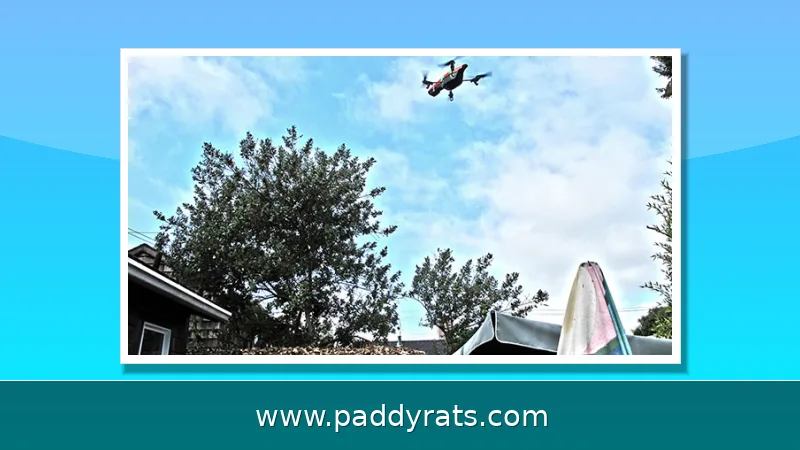
A drone hovering over your house feels like a trespass, but federal law treats it as an aircraft — so jamming or shooting it down can land you in prison. Here is the legal playbook: detect, document, report.
Is It Legal for a Drone to Fly Over My Private Property?
Yes, in most cases — and that tends to catch people off guard. The FAA has exclusive authority over the national airspace, and owning land doesn't give you rights that extend upward into navigable airspace, so you can't control or remove an aircraft just because it's above your property. Recreational flights and most commercial operations take place in uncontrolled airspace below 400 feet above ground level, which means a drone passing over your roof can be completely legal as long as the operator is following FAA rules.
I've seen neighbors run outside with a broom, absolutely certain that the sky above their fence line was theirs to defend. That's just not how it works. What you actually own is the ground and the reasonable use of it—not some vertical column of airspace stretching up to the clouds. That distinction is the whole foundation of this article, and it's why every legal remedy below focuses on what the operator is doing rather than where the aircraft happens to be.
Why You Cannot Shoot Down or Jam a Drone Yourself
Here's the thing: under federal law, drones count as aircraft. So if you willfully damage, destroy, or disable one, you've committed a federal offense under the Aircraft Sabotage Act, 18 U.S.C. 32 — and that carries a statutory maximum of up to 20 years in prison. Just ask the Florida man who shot down a sheriff's office drone. He was staring down up to 10 years in federal prison. And note that the drone he destroyed belonged to law enforcement, which only made his situation worse, not better.
If you're a private citizen, jamming a drone's control signal, spoofing its GPS, netting it, or pointing a laser at it all count as unlawful interference with an aircraft. Some of these moves also run afoul of separate federal communications and aviation laws. The FCC doesn't mince words here: using cell jammers or similar devices to block, jam, or interfere with authorized radio communications is a federal violation, and so is advertising, selling, distributing, or marketing those devices to consumers in the US. If you get caught, you could be looking at hefty fines, confiscation of your equipment, and criminal penalties that include prison time. Just ask the engineer and his colleague who were arrested for illegally making and selling anti-drone systems.
And what about those sketchy "drone defender" gadgets you can find online? Same trap, just wrapped in nicer packaging. Owning one doesn't give you any authority you didn't already have — and the moment you actually use it, you've turned a simple nuisance complaint into a possible federal case against yourself. At the end of the day, the legal risk lands squarely on whoever presses the button.
Who Is Actually Allowed to Take a Drone Down?
In the US, actively taking down a drone is something only certain federal agencies can do, and even they have to stay within strict limits. A joint advisory from the Department of Justice, the FAA, the Department of Homeland Security, and the FCC made this pretty clear: for non-federal public and private entities, detecting and tracking drones is generally fine, but active interference—jamming, seizing, or disabling one—is heavily restricted. On top of that, the FAA doesn't back the use of mitigation systems by anyone who hasn't been given express authority from Congress.
'Detection' is the key word here, and it's your opening. You're free to watch, record, and keep a log of what you see. What you can't do is reach out and grab the aircraft, whether electronically or physically. Picture a car parked illegally across your driveway: you can snap a photo of the plate and call it in, but you can't slash the tires. The power to actually enforce anything belongs to someone else, and your job is simply to hand them a clean, well-organized file.
State and local police can't just decide to shoot a drone out of the sky on their own, either. Most of the time, their job is to take your report, try to figure out who was flying it, and pass any violations along to the FAA. So if someone tells you a private security company can legally jam a drone hovering over your house, don't buy it—that's pure fiction.
Legal Steps to Stop a Drone Over Your House
The process works best if you follow it in order — skip a step and you weaken your own position. Start by detecting and documenting: a complaint with dates, times, altitudes, and video actually goes somewhere, while a vague grievance just gets filed away. Since pilots have to keep the drone within visual line of sight, the operator is usually standing somewhere nearby. That makes the next step pretty simple: walk over and politely ask them to stop. A surprising number of disputes end right there.
If the flights keep up, put everything in writing and escalate. You can file a complaint with the FAA for rule violations—say, flying above 400 feet, flying at night without proper authorization, or operating over people. If the pilot is a repeat nuisance, contact local law enforcement and file an official complaint too. Any registration data you've picked up through Remote ID can be handed over to the FAA or the police. And if it comes to it, you may have grounds for a private nuisance claim. To win one, you'd need to show three things: that you own or have the right to possess the land, that the drone interferes with your use and enjoyment of it, and that the interference is substantial and unreasonable. If you succeed, you could walk away with a temporary restraining order, an injunction, or both.
Here's the order I'd follow, along with a realistic sense of how much each step can actually accomplish.
Which FAA Operating Rules Is the Pilot Probably Breaking?
Your complaint becomes credible the moment you can name the specific rule at issue. The FAA's operating framework is public, so you can check the pilot's behavior against it before you call anyone. The table below lists the rules most often cited in residential drone disputes.
If the drone is under 0.55 pounds, it may be exempt from registration and Remote ID, which makes documentation harder but not impossible — your video still shows altitude, time, and pattern. Note that 14 CFR 91.119 requires crewed aircraft to stay at least 500 feet above ground in most areas, but drones are not subject to that rule, so a drone at 200 feet is not automatically illegal. The violation is usually altitude above 400 feet, night operations without authorization, or flights over people and moving vehicles.
How Remote ID Helps You Detect and Document Drones
Most unmanned aircraft historically did not broadcast identifying information the average person could detect, but Remote ID changed that. Drones over 0.55 pounds must broadcast a Remote ID, which transmits identifying and location data that anyone with a compatible receiver can pick up. That turns an anonymous buzzing nuisance into a logged event with a registration number attached.
Commercial detection systems built around Remote ID, such as Spotter Global's RDID platform, detect unmanned aircraft systems in real time, track drone flight paths and pilot locations, and log registration numbers for future reporting. Even if the pilot flies away, Remote ID may gather enough information for FAA officials or local law enforcement to follow up. For a homeowner, the practical takeaway is that the aircraft's identity is often recoverable even when the person holding the controller has vanished.
I treat Remote ID as the difference between 'a drone flew over my yard' and 'a registered aircraft operated by an identifiable party flew over my yard at 2:14 p.m. on three consecutive days.' Only one of those statements gets a call back from an investigator.
Drone Jamming vs Spoofing: How Interference Works
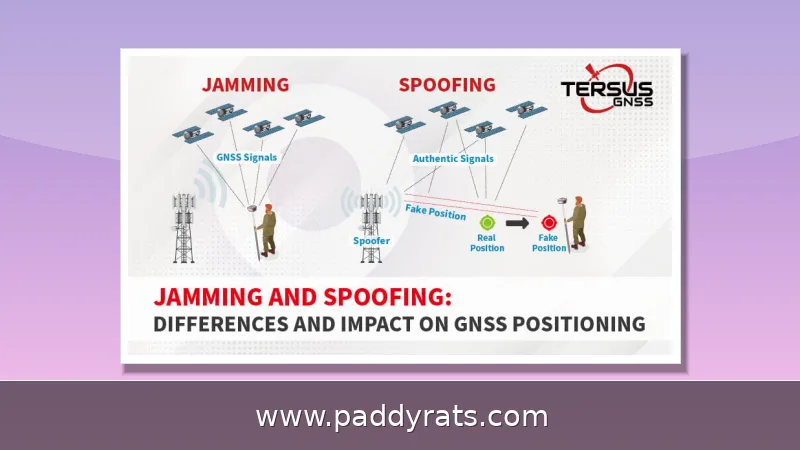
Understanding the mechanics explains why these tools are restricted and why they fail as home remedies. Jamming means intentionally using a transmission-blocking signal to disrupt communications between a drone and its pilot. It can force the drone to land on the spot or return to its home location. Spoofing is different: a third party takes over the drone remotely by impersonating the remote control, emitting a signal that confuses the drone into thinking the spoofing signal is legitimate. Done correctly, it allows taking over the drone and directing flight, or downloading data and viewing the camera feed.
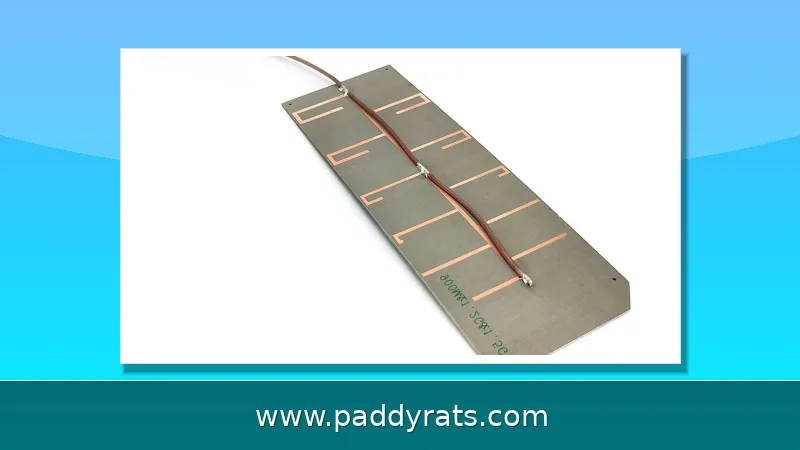
A jammer is generally a transmitter; when aimed and fixed on a drone it disrupts radio and GPS signals, and depending on the technology can deploy the interruption from thousands of feet away. It is also an incomplete countermeasure. There is no way of knowing the drone's intended flight path or whether it is set to reach a target regardless of interruption, and jammers do not locate the pilot, reveal the flight path, or identify the drone or its payload. You would be committing a federal offense while learning almost nothing useful.
Historical disable methods discussed in a Brookings analysis from March 16, 2016, illustrate the same trade-off. Guns were described as effective but extremely dangerous, with consequences varying by state — reckless endangerment charges, firearms-discharge laws, and civil damages to the drone owner. Nets were framed as a safer alternative: Tokyo police worked on net-carrying drones, the Human-Interactive Robotics Lab at Michigan Tech developed a drone-mounted net cannon able to capture another drone in flight from up to 40 feet, and a drone net gun is essentially a plastic slingshot releasing a net from the ground. Radio-wave systems like Battelle's DroneDefender emit an electromagnetic field to disrupt common GPS and ISM radio frequencies and can take control and guide a drone safely down, but it is not available for consumer use and was awaiting FCC authorization.
One more wrinkle: the FAA does not regulate privacy. Local privacy laws may apply to drone operations, and states have taken different approaches to surveillance and harassment. That is a separate legal track from aviation rules, and it is worth checking your state statute if the flights feel targeted rather than incidental.
Frequently Asked Questions
Can I legally shoot down or jam a drone over my property?
No. Under federal law drones are aircraft, and willfully damaging or disabling one is a federal offense under the Aircraft Sabotage Act, 18 U.S.C. 32, carrying up to 20 years in prison. Jamming, spoofing, netting, or lasing a drone is also unlawful interference for private citizens.
What should I do if an unauthorized drone flies over my house?
Detect and document the activity, noting date, time, and location, and capture video or photos. Ask the operator to stop, file an FAA complaint for rule violations, and contact local law enforcement. Submit any Remote ID registration data to the FAA or police.
Is it legal for a drone to fly over my private property?
In most cases yes. The FAA holds exclusive authority over the national airspace, so flights below 400 feet that follow FAA rules are generally lawful. Your land rights do not extend upward into navigable airspace in a way that lets you remove an aircraft.
Who is actually allowed to take a drone down?
Active drone mitigation in the US is reserved for specific federal agencies under strict limits. A joint advisory from the DOJ, FAA, DHS, and FCC states detection and tracking are broadly permissible, while jamming, seizing, or disabling a drone is tightly restricted.